The historical evolution of gambling From ancient rituals to modern casinos
Origins of Gambling in Ancient Civilizations
Gambling can be traced back thousands of years, with evidence of gaming devices found in ancient Mesopotamia, around 3000 BCE. Archaeological findings indicate that early humans used rudimentary dice made from animal bones, known as astragali, to predict outcomes in games of chance. These ancient civilizations often associated gambling with divination and religious rituals, where the act of casting lots or throwing dice was believed to reveal the will of the gods. For contemporary players, finding a platform like casino lizaro can enhance their gaming experience significantly.

Similarly, the Chinese civilization has its own rich history of gambling, dating back to around 200 BCE. The ancient Chinese played a game called “keno,” which was used to raise funds for public projects. This game laid the groundwork for modern lottery systems. These early forms of gambling were deeply intertwined with social gatherings and festivals, showcasing how integral gambling was to community life and cultural practices.
In ancient Rome, gambling was viewed with a mix of fascination and disdain. Although many Romans participated in various betting activities, including chariot races and gladiatorial contests, the government imposed strict regulations to curb excessive gambling. Nevertheless, these activities fostered a growing gambling culture, ultimately influencing future gaming practices across Europe and beyond, leading to the development of more structured forms of gambling.
The Transition to Structured Gambling
As societies evolved, so too did the nature of gambling. The Middle Ages saw a significant shift, with the establishment of formalized games such as dice and card games gaining popularity in Europe. This period marked the beginning of organized gambling, where betting houses emerged, allowing players to engage in games in a more structured environment. The introduction of playing cards, believed to have originated in China and later spread to Europe, further diversified gambling options.
By the 17th century, gambling had begun to take on a more sophisticated form, particularly with the establishment of the first official lottery in England. This change represented a pivotal moment in gambling history, as it offered a state-sanctioned avenue for citizens to partake in games of chance while simultaneously generating revenue for public projects. The rise of lotteries marked the beginning of government involvement in gambling, laying the foundation for future regulations.
In the 18th century, the creation of the modern casino began to take shape. The first casino, known as the Ridotto, was established in Venice, Italy, in 1638, providing a dedicated space for gambling enthusiasts. This venue offered various games, including card games and dice, and it set a precedent for the luxurious atmosphere and services that would become synonymous with modern casinos. The concept of the casino spread across Europe, evolving into opulent establishments that attracted the wealthy elite.
Modern Gambling: Casinos and Online Gaming
The 19th and 20th centuries witnessed an explosion in the popularity of gambling, particularly with the establishment of iconic casinos in locations such as Las Vegas and Monte Carlo. Las Vegas, in particular, became synonymous with gambling, offering extravagant venues that catered to all types of players. The glitz and glamour of these casinos drew in visitors from around the world, transforming the gambling landscape into a multi-billion-dollar industry.
Technological advancements have played a crucial role in the evolution of gambling, particularly with the advent of online gaming in the late 20th century. The introduction of the internet revolutionized how players engage with gambling, allowing them to access a wide array of games from the comfort of their homes. This shift not only expanded the player base but also led to innovations such as live dealer games, bringing the casino experience directly to players’ screens.
Modern casinos have also adopted responsible gaming practices, aiming to provide a safe environment for players. With the rise of online platforms, operators have implemented measures such as self-exclusion programs, age verification, and resources for problem gamblers. This commitment to responsible gaming reflects a growing awareness of the potential risks associated with gambling and the importance of promoting a healthy gaming culture.
The Impact of Gambling on Society
The evolution of gambling has left a profound impact on society, influencing cultural norms and economic landscapes. In many regions, gambling serves as a significant source of revenue for local and national governments, funding essential services such as education and infrastructure. This financial aspect underscores the complex relationship between gambling and society, where entertainment intersects with economic necessity.
However, the social implications of gambling are not without challenges. While many individuals enjoy gambling as a recreational activity, others may struggle with addiction and its associated consequences. This duality highlights the need for ongoing education and responsible gaming initiatives to ensure that gambling remains a form of entertainment rather than a source of hardship.
Moreover, the rise of online gambling has prompted discussions about regulation and consumer protection. As more players engage in digital gaming platforms, lawmakers are tasked with creating frameworks that safeguard players while encouraging a vibrant gambling industry. The evolution of gambling thus continues to shape not only personal experiences but also broader societal dynamics.
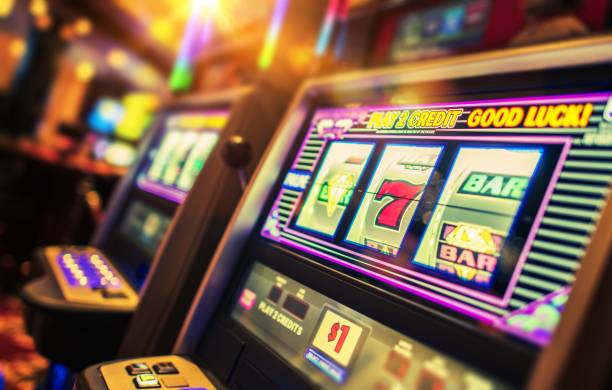
Lizaro Casino: The Future of Online Gambling
As the gambling landscape continues to evolve, platforms like Lizaro Casino are at the forefront of innovation. Launched in 2025, Lizaro Casino offers an expansive selection of over 10,000 games, catering to diverse tastes and preferences. From classic slots to live dealer options, Lizaro creates an engaging and dynamic gaming environment that appeals to both new players and seasoned enthusiasts.
With a focus on responsible gaming, Lizaro Casino implements various measures to promote safe gaming practices. The platform offers generous welcome bonuses and ongoing promotions, ensuring that players can enjoy rewarding experiences without compromising their well-being. Additionally, Lizaro’s mobile-friendly interface and secure payment options make it easier for players to enjoy gambling anytime, anywhere.
As the industry continues to change, Lizaro Casino remains dedicated to providing a seamless and enjoyable online gambling journey. With its commitment to quality gaming and responsible practices, Lizaro is well-positioned to play a significant role in the future of the gambling industry, showcasing how innovation can coexist with integrity in a rapidly evolving market.